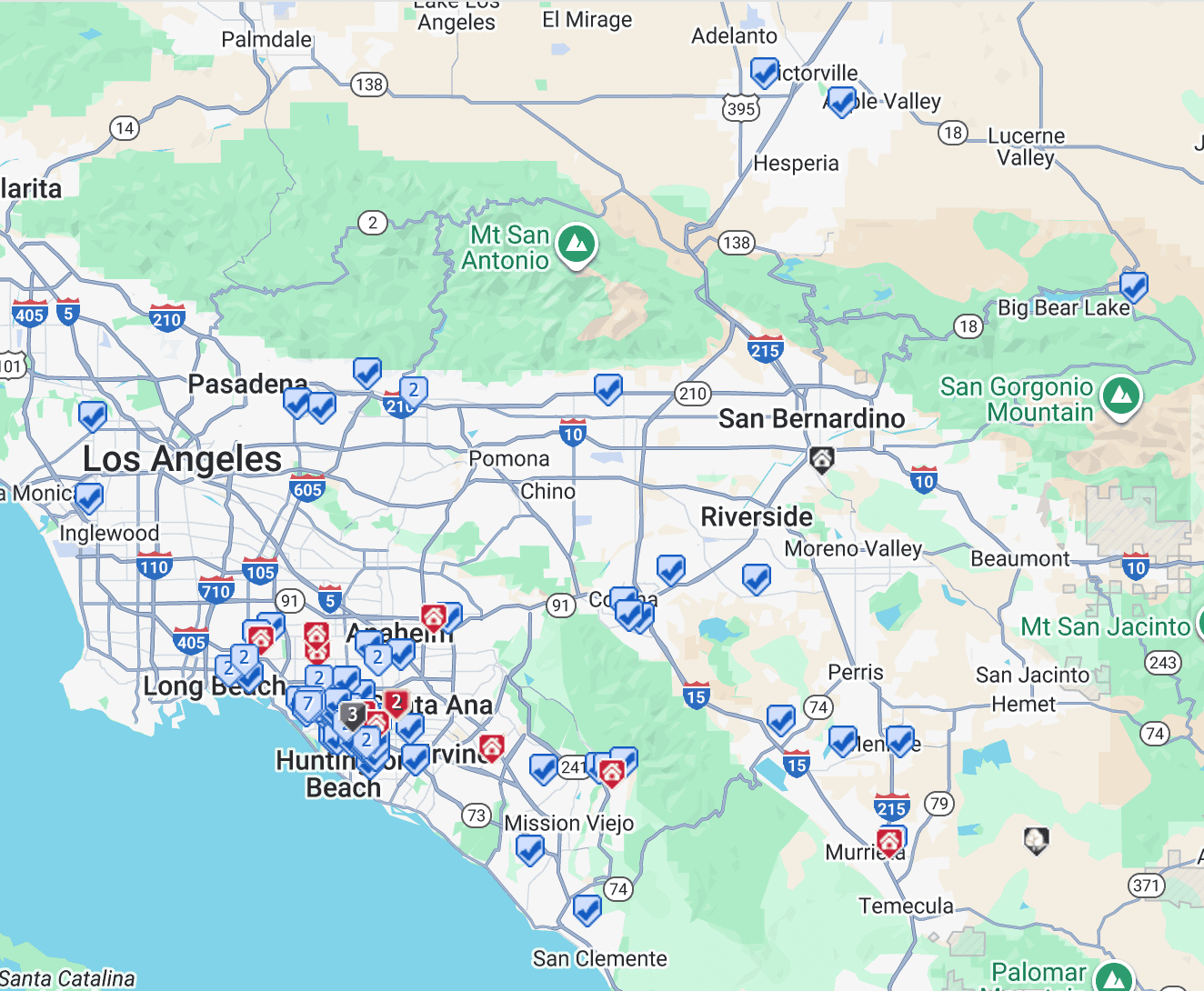

As we dive into 2026, the real estate landscape is buzzing with new policies, market updates, and proposals aimed at boosting housing affordability. With President Trump's administration rolling out bold initiatives and Democrats pushing their own agenda, homeowners and buyers in Southern California, have much to consider. This post breaks down the latest from the Federal Reserve, key Trump housing policies, capital gains tax changes, and Democratic plans—helping you navigate what these mean for your next move in the market.
Federal Reserve's Latest Housing Market Update: What to Expect in Early 2026
The Federal Reserve's weekly housing market update for January 23, 2026, highlights an upcoming board meeting that could shape interest rates and the overall housing sector. With big changes anticipated at the Fed this year, including potential shifts in leadership like bond trader Rick Rieder emerging as a top contender for Fed Chair, borrowing costs and mortgage rates are in the spotlight.
Key takeaways from the update include:
- Mortgage Rates and Inventory Trends: Falling rates in late 2025 pushed inventory higher, but slow sales persist. The Fed's January decision will likely influence whether rates stabilize or drop further, impacting home affordability.
- Economic Indicators: Focus on rebalancing the market, with implications for home sales and prices in regions like Southern California.
- Forecast for 2026: Experts predict continued adjustments to support economic growth, potentially easing conditions for first-time buyers.
Trump’s Housing Policies: Boosting Affordability for Homeowners and Buyers
President Trump has introduced several measures to address housing challenges, from tax incentives to investor restrictions. Here's a closer look at the standout proposals.
Depreciation Tax Break for Homeowners
One innovative idea floated by Trump allows homeowners to claim depreciation on their personal residences—a benefit currently reserved for businesses and investment properties. This could reduce taxable income over time, making homeownership more financially appealing. While details are still emerging, critics note it might primarily benefit higher-income households, but it could stimulate the market by encouraging long-term ownership.
Restrictions on Institutional Investors
Trump's executive order on institutional investors doesn't outright ban purchases but adds scrutiny and limits mortgage guarantees for large buyers acquiring single-family homes. What it does: Prioritizes individual buyers by restricting federal backing for investor loans. What it doesn't do: Apply to all investors or multi-family properties. This policy aims to increase inventory for everyday homebuyers, potentially lowering prices in investor-heavy markets like California.
Using 401(k) Funds for Home Down Payments
A new plan under consideration would let homebuyers tap their 401(k) retirement savings penalty-free for down payments. This could help first-time buyers overcome high down payment barriers, especially with average home prices rising. However, experts warn of risks like reduced retirement savings. Limits might include caps on withdrawal amounts, making it a targeted boost for affordability.
Government Purchase of Mortgage Bonds
To directly tackle affordability, Trump has instructed the government to buy $200 billion in mortgage bonds, aiming to lower interest rates and make loans more accessible. This move briefly pushed rates below 6%, but experts question its long-term impact on prices. It's part of a broader strategy to use federal tools for housing relief.
Capital Gains Tax Exclusion: Lawmakers' Push for Changes
Lawmakers are advocating for expansions or eliminations of the capital gains tax exclusion on home sales. Currently, singles can exclude up to $250,000 in profits, and married couples $500,000. Proposals like Rep. Marjorie Taylor Greene's No Tax on Home Sales Act would scrap the tax entirely for primary residences, potentially lowering effective home prices by removing a "hidden equity tax." This could encourage more sellers to list, increasing inventory and aiding affordability in high-appreciation areas like Southern California.
Democrats' Housing Policy: Focus on Affordability and Reform
On the other side, Democrats, led by figures like Chuck Schumer, are prioritizing affordability in their 2026 agenda. Key initiatives include zoning reforms to boost construction, enhancements to homeowners insurance, and measures to combat rising costs. Schumer emphasizes putting affordability "front and center," with plans to supercharge building and address systemic issues. This contrasts with Trump's market-driven approaches, focusing instead on regulatory changes and direct aid.
Comparing Trump and Democratic Housing Policies
| Policy Area | Trump Policies | Democratic Policies |
|---|---|---|
| Tax Breaks | Depreciation for personal homes; 401(k) for down payments; Mortgage bond purchases to lower rates. | Emphasis on zoning reform and insurance enhancements to reduce costs. |
| Investor Restrictions | Limits on institutional buyers via mortgage guarantees. | Focus on increasing supply through construction incentives. |
| Affordability Focus | Direct financial tools like tax exclusions and rate reductions. | Broader reforms to combat rising costs and promote equitable access. |
| Potential Impact | Quick boosts for buyers; May favor higher earners. | Long-term structural changes; Aimed at widespread relief. |
Conclusion: What This Means for Southern California Homeowners
In 2026, with Fed updates signaling potential rate stability and policies from both parties vying to improve affordability, the housing market could see increased activity. For residents in Orange, Los Angeles, San Bernardino and Riverside Counties; these changes might mean easier access to homes amid California's high prices, especially if investor restrictions free up inventory or tax breaks reduce selling costs.
Stay tuned for more updates, and if you're ready to buy or sell, simply reach out to us. What are your thoughts on these policies?